



The Most Popular Indonesian Food - Part 2

As we know that Indonesia is well-known for its diverse ethnic groups living harmoniously with each other. It affects the culture, customs, ethnicities, and religions. With many cultures and ethnicities come diverse traditional food scattered throughout Indonesia. Some of them are very popular not only for locals but foreigners as well. Name it rendang, nasi goreng, satay, and many more.
Sitting and eating together with family has been a hereditary tradition for a long time. Many Indonesian families usually have a feast where relatives come together during holidays such as Eids, Christmas, Chinese New Year, and so on. Jagojalan has taken you to the first part of the most famous Indonesian food and now it's time for the second part. We'll bring you more Indonesian famous food. So stay tuned!
Gado-Gado
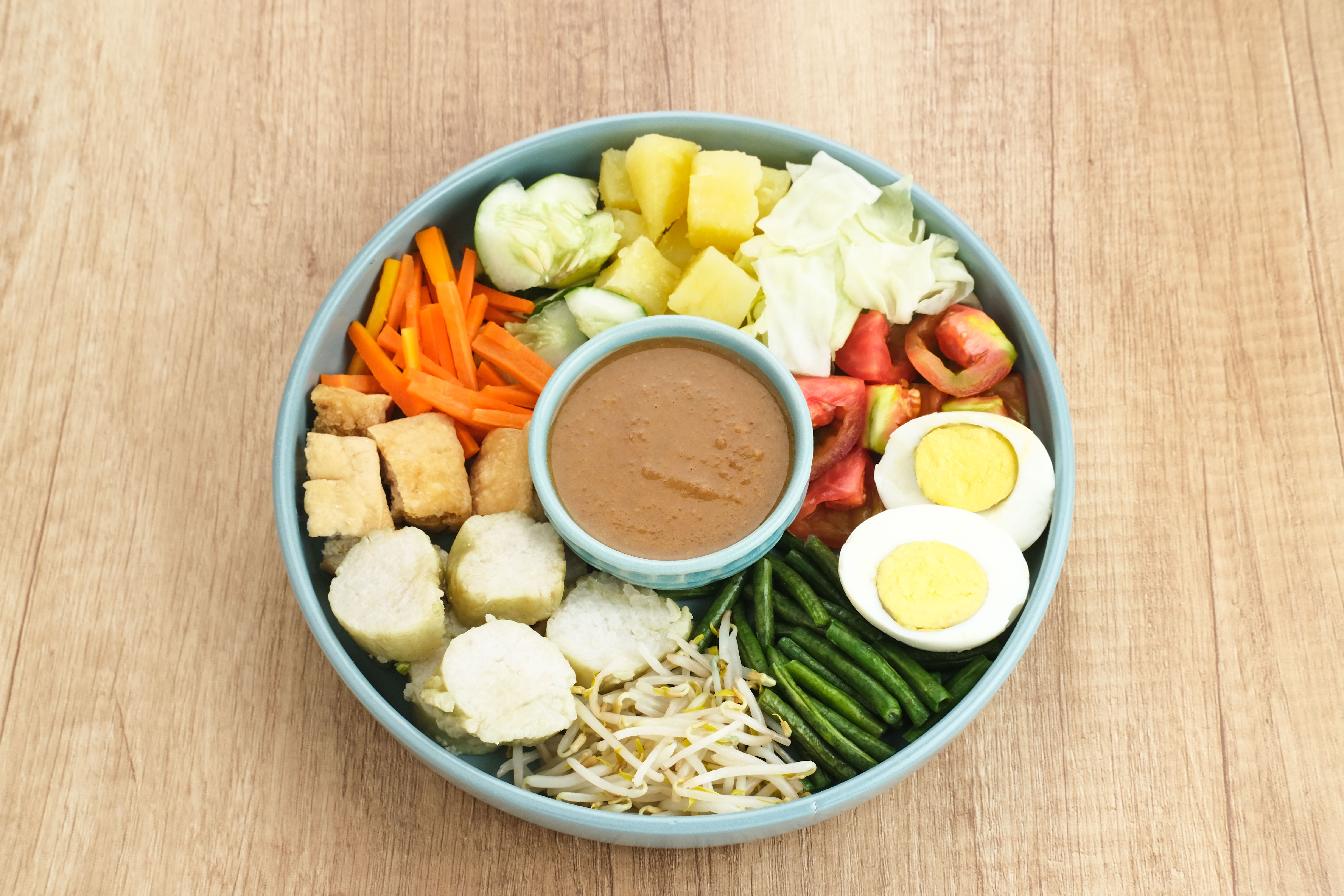
Gado-Gado or Indonesian salad is one of the typical foods originating from Jakarta. Gado-Gado consists of slightly boiled, blanched or steamed vegetables and hard-boiled eggs, boiled potato, fried tofu and tempeh, and lontong (rice wrapped in a banana leaf), served with a peanut sauce dressing. Many add fried shallots sprinkles and crackers or chips on top of it. In 2018, Gado-Gado was promoted as one of six national dishes of Indonesia; the others are Soto, Sate, Nasi Goreng, Tumpeng and Rendang.
You can find Gado-Gado in street food carts. When you step up to a street food cart that serves Gado-Gado, the vendor will first mix up the peanut sauce on a flat slightly rounded stone mortar. Once the sauce is ready, a mixture of steamed vegetables like bean sprouts and long beans, along with tofu, tempeh, and sometimes lontong. The peanut sauce makes the salad rich taste, while the vegetables contribute a mix of different textures.
Pecel Lele (Fried Catfish)
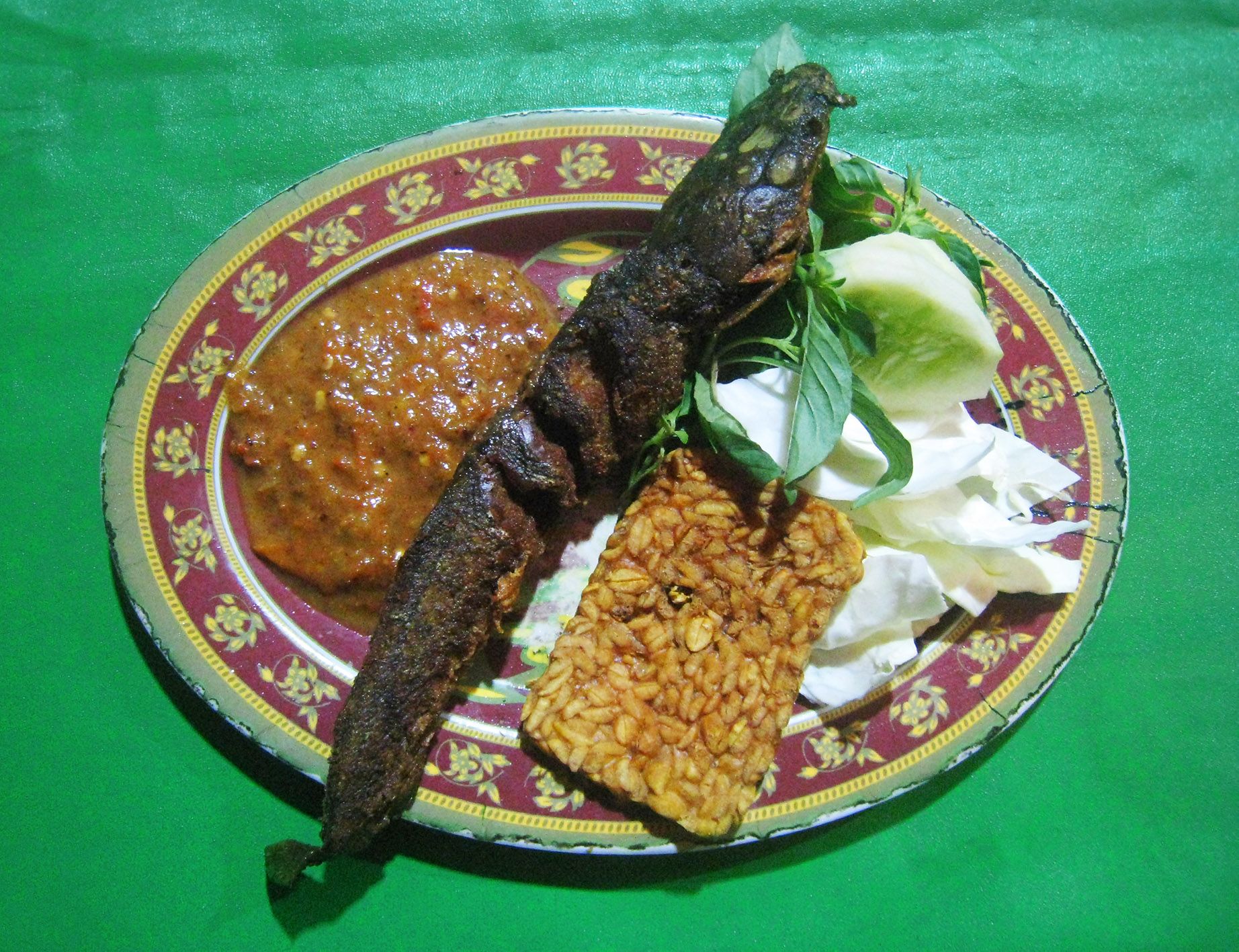
image source: Wikipedia
Deep-fried catfish, known as pecel lele, is a very famous and common Indonesian street food, often served at street-side or local food tents. In Jakarta, mostly at night, if you drive around the streets you’ll see endless food stalls showcasing catfish on their banner menus.
The catfish is prepared pretty simple, just salted and sometimes rubbed with some coriander and turmeric, and then deep-fried until extra crispy all the way through. The secret of the flavour when eating pecel lele lies within the chilli sauce that it’s always served with. The way you eat it is to take a piece of crispy catfish, mix it with your rice, then add some chilli sauce on top of it, and that’s a recipe for a delicious bite.
Bakso (Indonesian Meatballs)
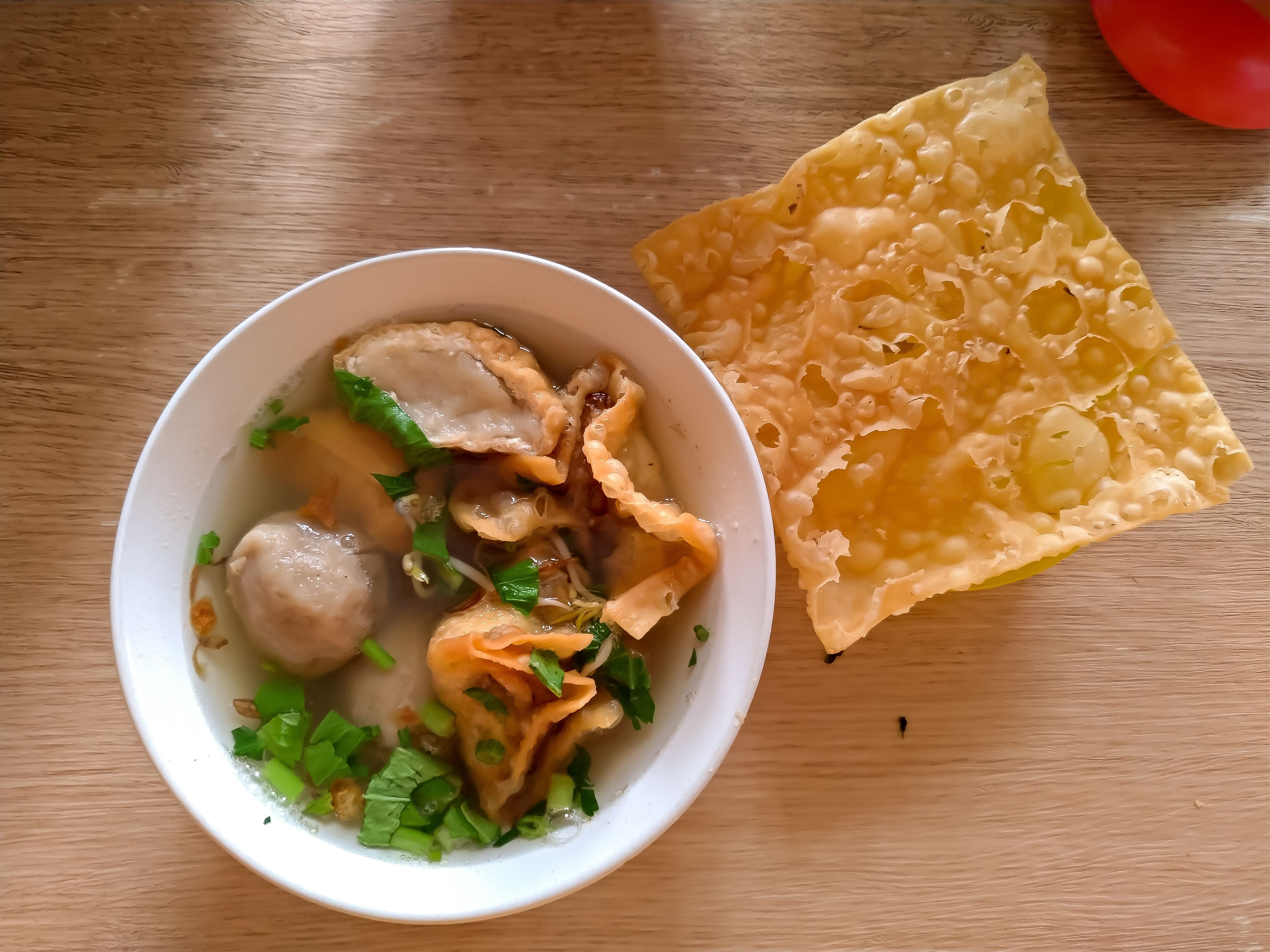
Bakso or Indonesian meatballs is one of the most widely available street food and restaurant dishes and is loved by nearly everyone including President Barack Obama who grew up for some time in Jakarta. Bakso is usually served in a bowl of beef broth, with yellow noodles or rice noodles, topped with salted vegetables, tofu, bean sprout, siomay or steamed meat dumpling, and crisp wonton, sprinkled with fried shallots and celery.
Bakso is generally made from finely ground beef with a small quantity of tapioca flour and salt, however, bakso can also be made from other meat, such as chicken, pork, fish or even shrimp. Unlike other meatball recipes, bakso has a consistent firm, dense, homogeneous texture due to the polymerization of myosin in the beef surimi. Traditionally the beef surimi paste or dough is made into balls by hand and boiled in hot water. After the meat is done, the meatballs are dried and served or refrigerated for later use. Pre-cooked bakso is usually displayed in the windows of street vendor carts.
Nasi Uduk
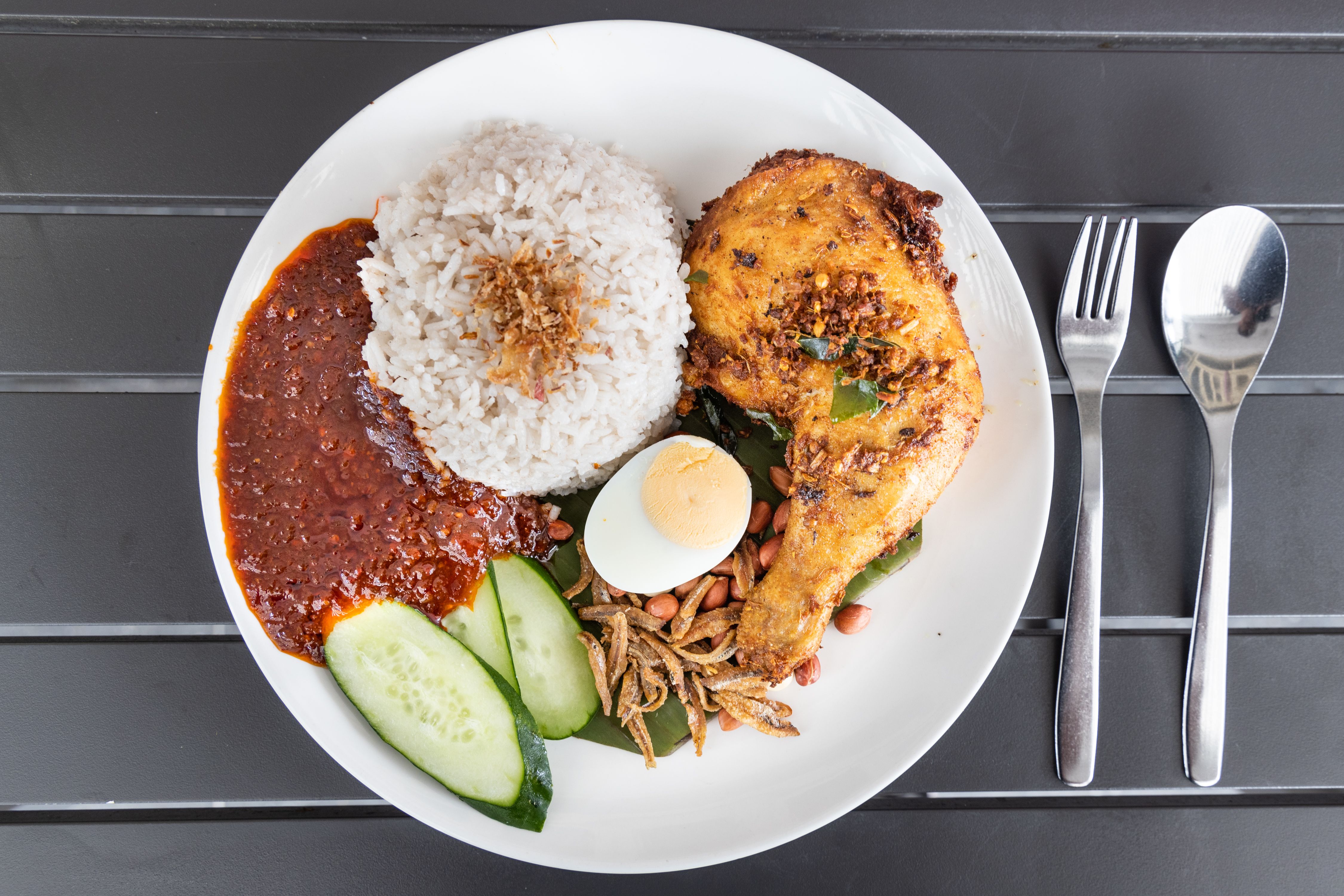
Nasi Uduk is similar with Nasi Lemak. It is basically a food made from the basic ingredients of white rice, steamed with coconut milk, and seasoned with nutmeg, cinnamon, ginger, and lemongrass. Knotted pandan leaves are added to the mixture to produce more fragrance. The result is rich and savoury, plus hearty and flavorful, rice.
There are a variety of different recipes for Nasi Uduk depending on the region of Indonesia you’re in. You can eat nasi uduk accompanied by a variety of different curries and Indonesian foods, but it’s also very common in Jakarta to eat Nasi Uduk along with simple fried chicken and chilli sauce. There is another popular variation of Nasi Uduk usually served in the morning by street food carts. This type of Nasi Uduk is usually served with eggs, scrambled tempeh, fried vermicelli, chilli sauce, fried shallots, and crackers. You can find it almost on every street corner in Jakarta every morning.
Bubur Ayam (Chicken Porridge)
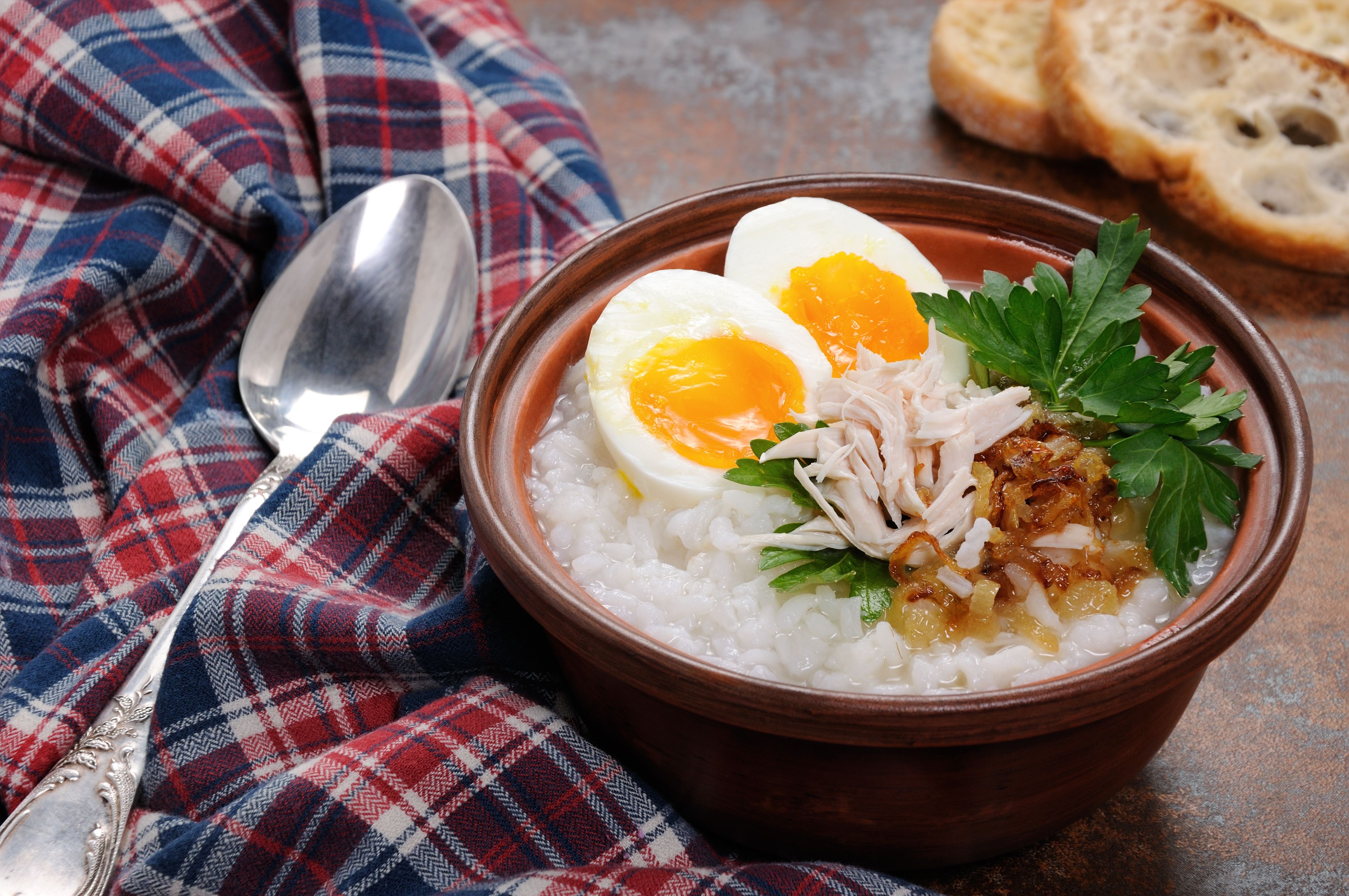
Bubur Ayam or Chicken Porridge is an Indonesian dish that was derived from Chinese chicken congee. Bubur Ayam is basically a rice congee served with shredded chicken and some condiments such as chopped scallion, crispy fried shallot, celery, tongcay. fried soybean, cakwe, crackers, and both salty and sweet soy sauce doused with yellow chicken broth. Because this food is always served hot and with a soft texture, Bubur Ayam is well-known as comfort food in Indonesian culture.
Unlike other Indonesian dishes, Bubur Ayam is basically not spicy and usually, the chilli sauce is separated. Many street food carts serve Bubur Ayam in the morning. So many people eat it for breakfast though many restaurants also serve this food as their all-day menu. The Bubur Ayam street carts also offer various satays such as chicken liver, gizzard, intestines and uritan (premature chicken eggs acquired from butchered hens) as the side dish. Now you can also an instant Bubur Ayam in packaging.
Sayur Asem (Sour Soup)
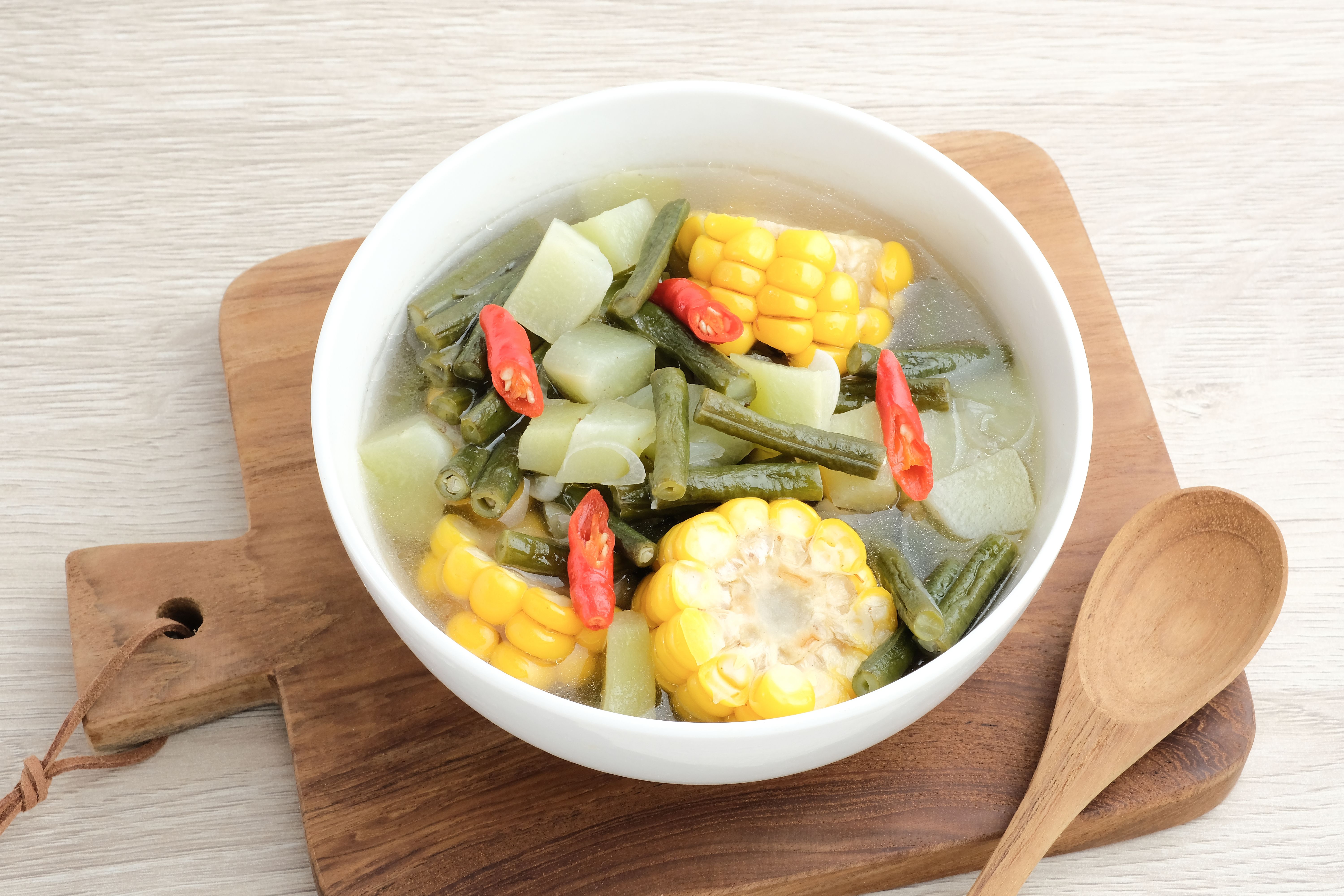
Sayur Asem or Sour Soup is an Indonesian vegetable soup originating from Sundanese cuisine and very popular around the Southeast Asia area. Sayur Asem is a sour tamarind soup, sometimes cooked with meat stock or fish stock, that can also include a mixture of different vegetables like corn and chayote.
The sweet and sour flavour of this dish is considered refreshing and fits with fried or grilled dishes, including salted fish, fried fish, fried chicken and lalapan, a kind of vegetable salad usually served raw but can also be cooked. Sayur Asem is usually served with steamed rice and shrimp paste.
Common ingredients are peanuts, young jackfruit, young leaves and unpeeled seeds of melinjo, bilimbi, chayote, and long beans, all cooked in tamarind-based soups and sometimes enriched with beef stock. Quite often, the recipe also includes corn.
And that's the second list of the most popular Indonesian food according to Jagojalan. Read also the first part of the most popular Indonesian food. Which one is your favourite? Please share with us in the comment below!
