



Explore 8 Great Museums in Jakarta
Jakarta has been home to many great museums since it's rich in history and culture. There are a lot of museums scattered throughout the capital city of Jakarta, each having its own unique story to tell. Museums are great places where people can gain more knowledge about the history or culture of a city or a country. It fosters an understanding of our collective heritage and carries an appreciation to preserve one’s culture.
Exploring museums in a city can be a great thing to do on your weekends with friends or family. A relaxing walk while enriching experience on understanding Jakarta's vast history. Jagojalan has made a list of great museums in Jakarta for you to explore. Let's check them out!
1. National Museum
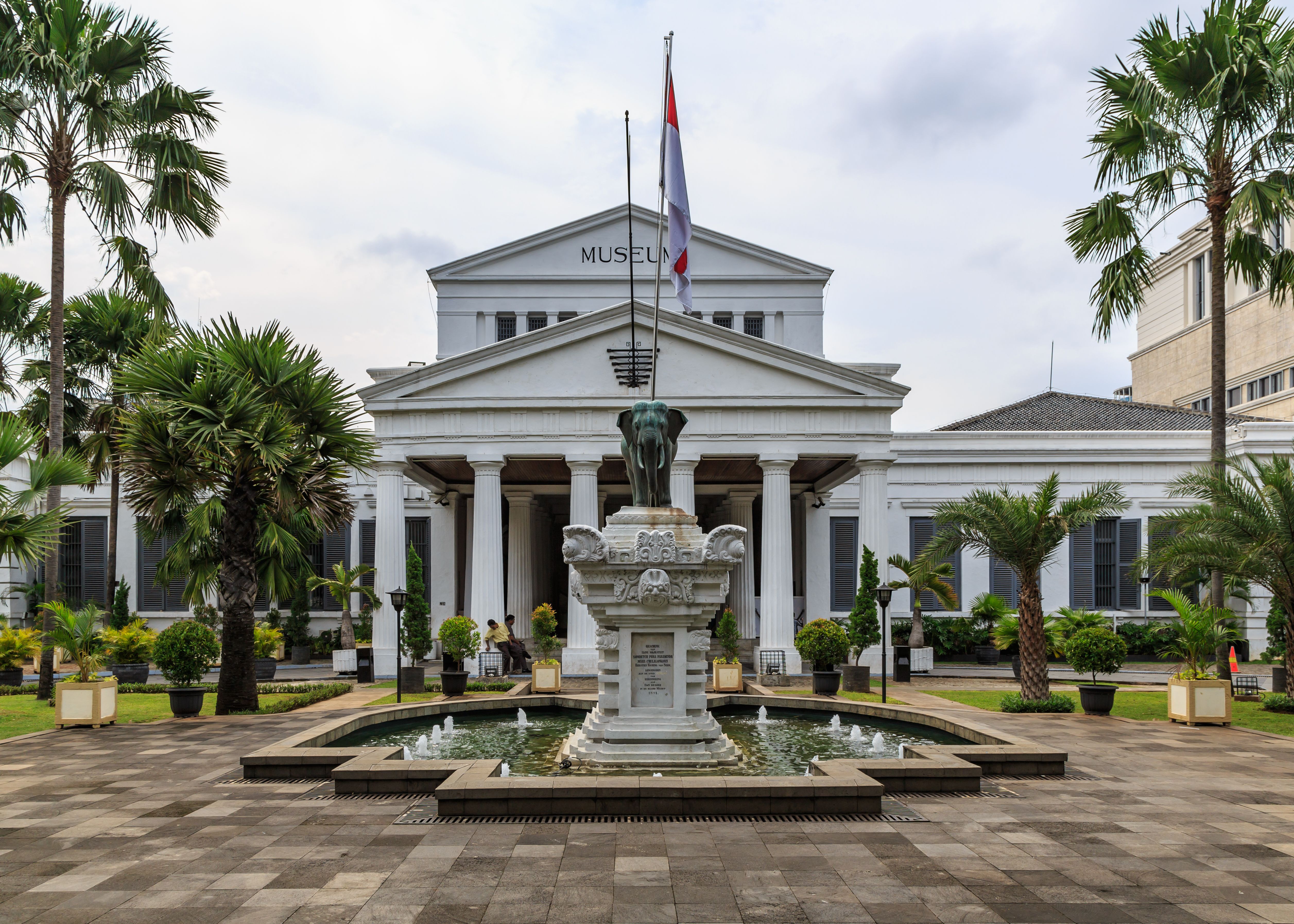
Located in the heart of the capital city, Jakarta, you cannot miss out on this amazing museum. The museum sits still on the opposite of Monas. Many local and foreign tourists consider this museum as the best museum in Jakarta. Here you can find a vast collection of artifacts, sculptures, and ceramics from all over the archipelago. The new wing also exhibits several painting collections. A great place for you to immerse yourself in the culture and history of Indonesia. It takes at least 3 to 4 hours to absorb all this museum has to offer.
The museum preserves a collection of 61,600 prehistoric and anthropological artifacts and 5,000 archaeological artifacts from all over Indonesia and Asia. This museum has a collection among the richest and the most complete of its kind in Indonesia and one of the finest in Southeast Asia. Here you can see the richest and the largest collection of Hindu-Buddhist art of ancient Indonesia. The Hindu-Buddhist sculptures, relics and inscriptions were collected from Sumatra, Java, Borneo, and Bali. What a great museum, right? This museum opens from Tuesday to Sunday from 8 am to 4 pm. It costs IDR 5,000 for locals and IDR 10,000 for foreigners for the entrance ticket. Follow this direction to visit the museum!
2. The National Monument (Monas)

Being a symbol of the capital city, Jakarta, Monas has become an icon that everyone in Jakarta knows. This monument is divided into 3 main parts, an observation tower on top, a mezzanine that contains a large podium overlooking all over Monas Square, and a basement that has 30 dioramas showing Indonesia’s history. Inside the mezzanine, you can see a replica of the National flag and a room where you can listen to a recording of the proclamation text being read by the first President of Indonesia, Soekarno.
There is a lift on the south side that can carry visitors to the top platform of the Monas. At a height of 115 metres above the ground, the top platform can accommodate about 50 people. In this area, there are binoculars to see the panorama of Jakarta more closely. At the top of Monas, there is a 14.5-ton bronze Flame of Independence. The base of the flame is a 3 metres high goblet. The bronze flame structure measures 14 metres in height and 6 metres in diameter and it consists of 77 sections. Originally the bronze flame structure was covered with 35 kg of gold foil. Then during the 50th anniversary of Indonesian independence in 1995, the gold foil was recoated and increased to 50 kg. The obelisk and flame symbolize the Indonesian people's struggle for independence. Fyi, this monument opens daily from 8 am to 10 pm with IDR 15,000 for the entrance ticket. Have you already planned your weekend to visit Monas? Don't worry, here is the direction!
3. Fatahillah Museum
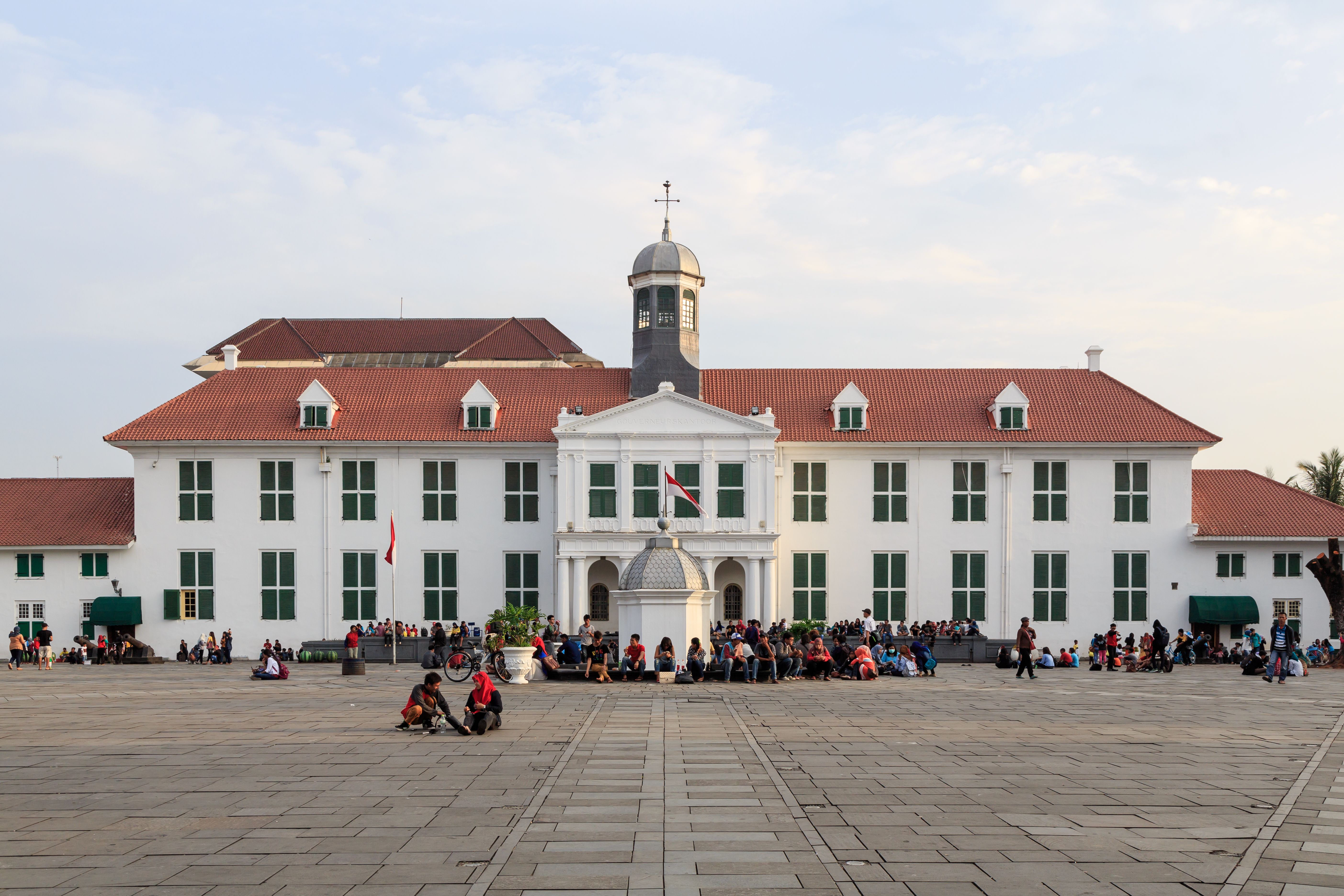
Also known as Jakarta History Museum located in the Jakarta Old Town area, this museum is a witness to the history of the city of Jakarta. Built-in 1707 under the name Stadhuis or Municipal Hall of Batavia, this building is a place that tells the history of the city of Jakarta from before the Dutch colonial era. In this museum there is also a Jagur Cannon which is believed to increase fertility, there is also an axe that was used to quell crime and paintings from the Dutch Governor-General from 1602-1942.
Antique and original furniture that was once used by the ruling colonialists is also on display in this place. You can also find things like historic maps, paintings, ceramics, furniture, and unique archaeological artifacts. This museum has a small dark and scary dungeon that used to be a prison, where one of the Indonesian local heroes, Diponegoro, was once tied up and imprisoned in it. The museum operates from Tuesday to Sunday from 9 am to 3 pm with IDR 5,000 for the entrance ticket. Don't forget to bring a camera when visiting this historic place to capture every moment of your visit. Follow this direction for easily going there!
4. Museum of Fine Arts and Ceramics
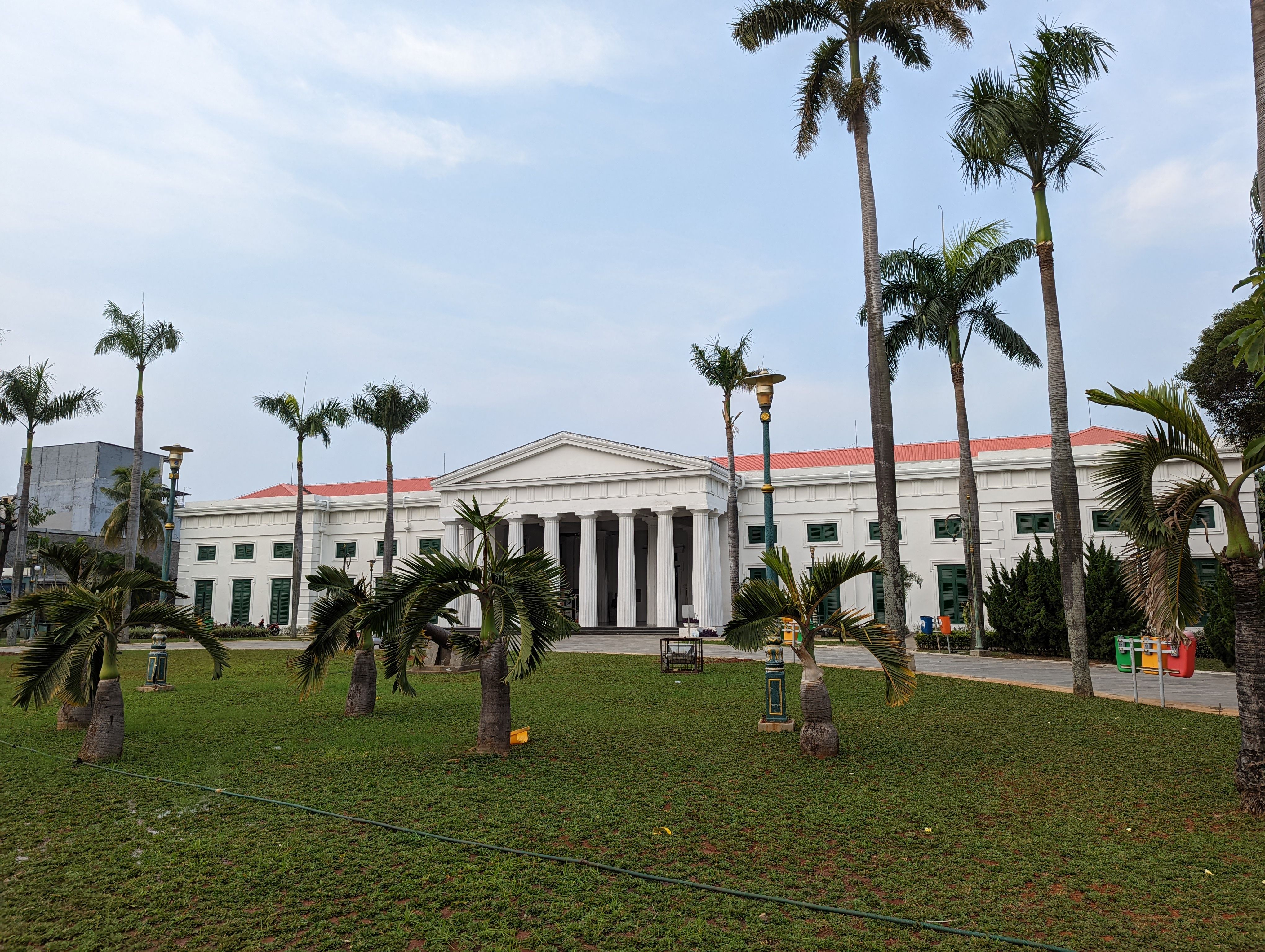
As the name suggests, this museum houses various works of art, ranging from paintings, ceramic objects, sculptures, and other art installations. If you are an art lover, then this museum is the perfect place for you. As a former court of justice, this building was built with great architectural design. Something you should keep an eye on is the beautiful garden in the centre of the building.
The building was completely built on 12 January 1870 and was used as a court of justice. During the Japanese occupation, KNIL occupied the building. After the independence of Indonesia, it was used as the Indonesian military dormitory and as the logistic warehouse. In 1967, the West Jakarta Mayor used it as the office. Then on 20 August 1976, President Soeharto officially inaugurated the building as the Museum of Fine Art and Ceramic.
This museum displays the traditional handicraft and paintings from some famous Indonesian painters such as Raden Saleh and Affandi. The paintings are organized based on important periods in the history of Indonesian art. In addition, the museum offers a ceramic workshop for visitors who want to try to make a pottery craft with an additional charge. This museum opens from Tuesday to Sunday from 8 am to 5 pm with an entrance fee of IDR 2,000. Wanna try their ceramic class? Follow this direction to go there!
5. Kites Museum
source: google maps
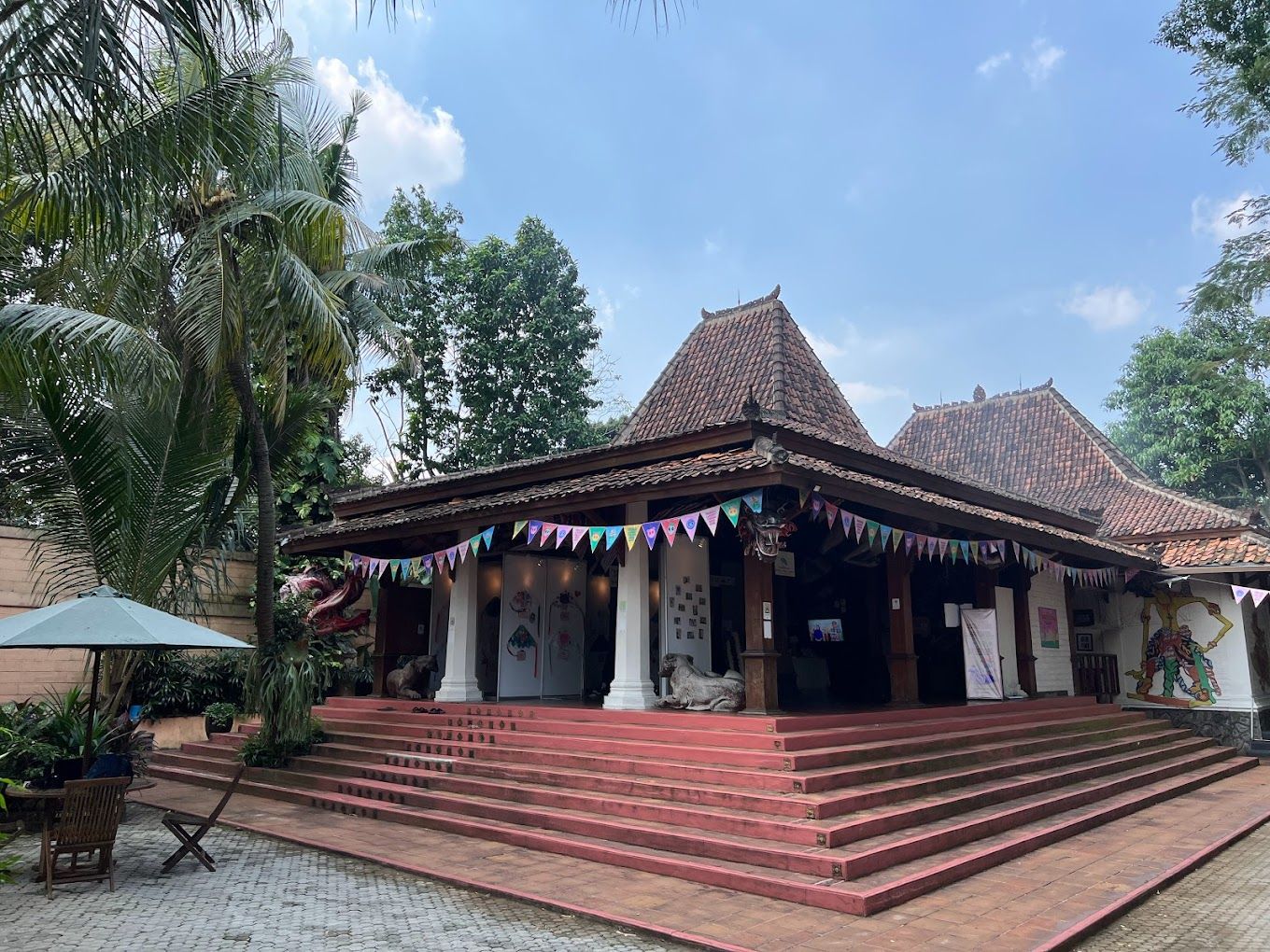
First opened to the public in March 2003, this museum is the only museum of its kind ever built in Indonesia. Started as a home industry producing kites for export, Endang W. Puspoyo, that is well-known as a beautician then turned it into a Kite Museum. Inside, this museum houses over 600 unique and traditional kites from each region of Indonesia as well as abroad.
You can also find some rare collections such as the smallest kite with only 2 centimetres, whole-leaf kites, some decades-old kites, and a kite with 26 meters measurement. This museum is a great place for anyone who wants to learn about kites. There's also a kite workshop if you'd like to try to make one of your own. After making one, you can try to fly it up in the sky. Aside from kites, there is also Batik exhibits and you can learn to draw Batik as well. The best place to preserve some traditional activities. This museum opens daily from 9 am to 4 pm but is closed on public holidays. There's also an entrance ticket for IDR 15,000. For the direction, check here!
6. Bank Indonesia Museum
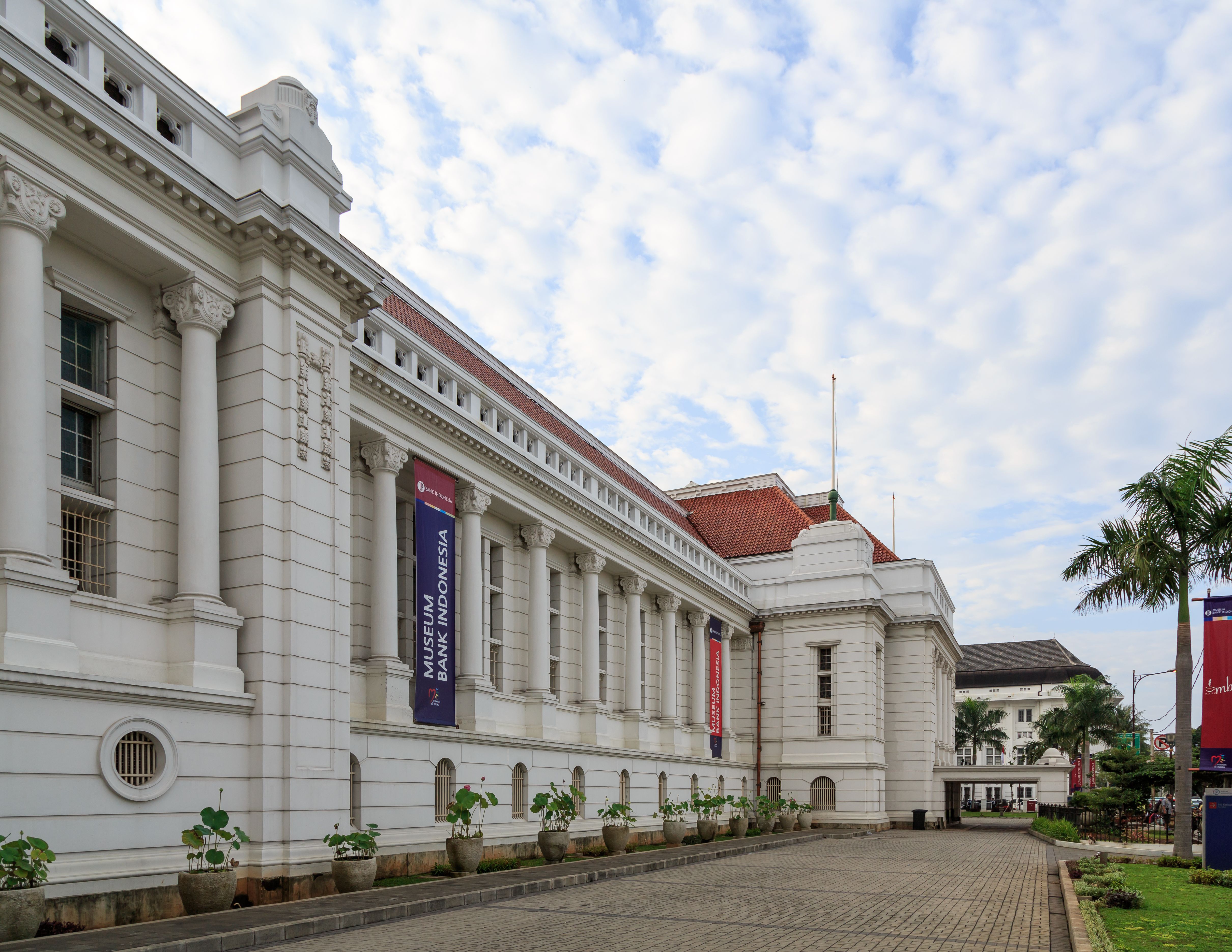
Bank Indonesia Museum is a bank museum located in Jakarta, Indonesia. It was founded by Bank Indonesia and opened on 21 July 2009. The museum is housed in a heritage building in Jakarta Old Town that had been the first headquarters of the Netherlands Indies gulden (De Javasche bank), the central bank of the Dutch East Indies. The bank was nationalized as Bank Indonesia in 1953 after Indonesia gained its independence. It is located next to Bank Mandiri Museum.
This museum exhibits the history of trade and economic development in Indonesia starting all the way from the early spice trade during the Dutch colonization era. The museum also shows the information on Bank Indonesia’s role in the nation’s history, Bank Indonesia’s policies, including also the background and impact of Bank Indonesia’s policy for the community until 2005.
Furthermore, being able to see the money exchange system and the banking in the archipelago, this tourists site also offers a distinctive colonial architecture that makes it a special site for tourists who visit it. This museum opens from Tuesday to Thursday from 8 am to 3.30 pm, Friday from 8 am to 11.30 am and 1 pm to 3.30 pm, weekends from 8 am to 4 pm and is closed on Monday and public holidays. You need to spend IDR 5,000 on the entrance ticket and here is the direction.
7. Wayang Museum
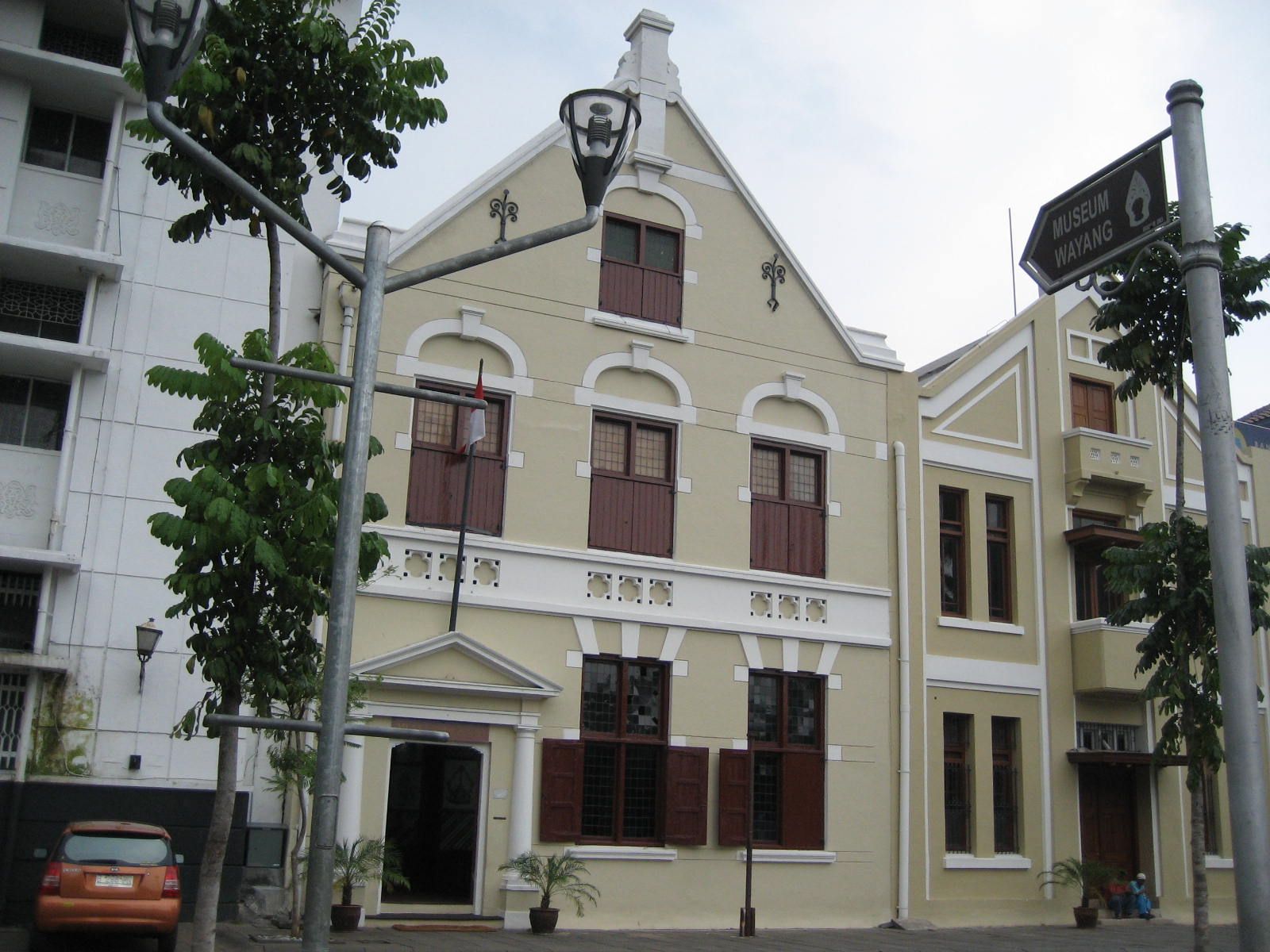
The Wayang Museum is a museum dedicated to the culture of Javan puppetry. There are 2 prominent types of wayang that are played among Java society, shadow puppet and wooden puppet. The shadow puppet is made of calfskin and is usually played behind a white curtain and shot by a bright light. While the wooden puppet is played on the top of some kind like a stage and is played by the puppeteer under the stage.
There are at least 4,000 puppets that you can learn about. Each Wayang contains its own significance and carries different valuable moral lessons. In this museum, you will find various types and designs of puppets not only from Java but also all over Indonesia. The Wayang Museum opens from 8 am to 5 pm and is closed every Monday and on public holidays. Here is the direction.
8. Jakarta Textile Museum
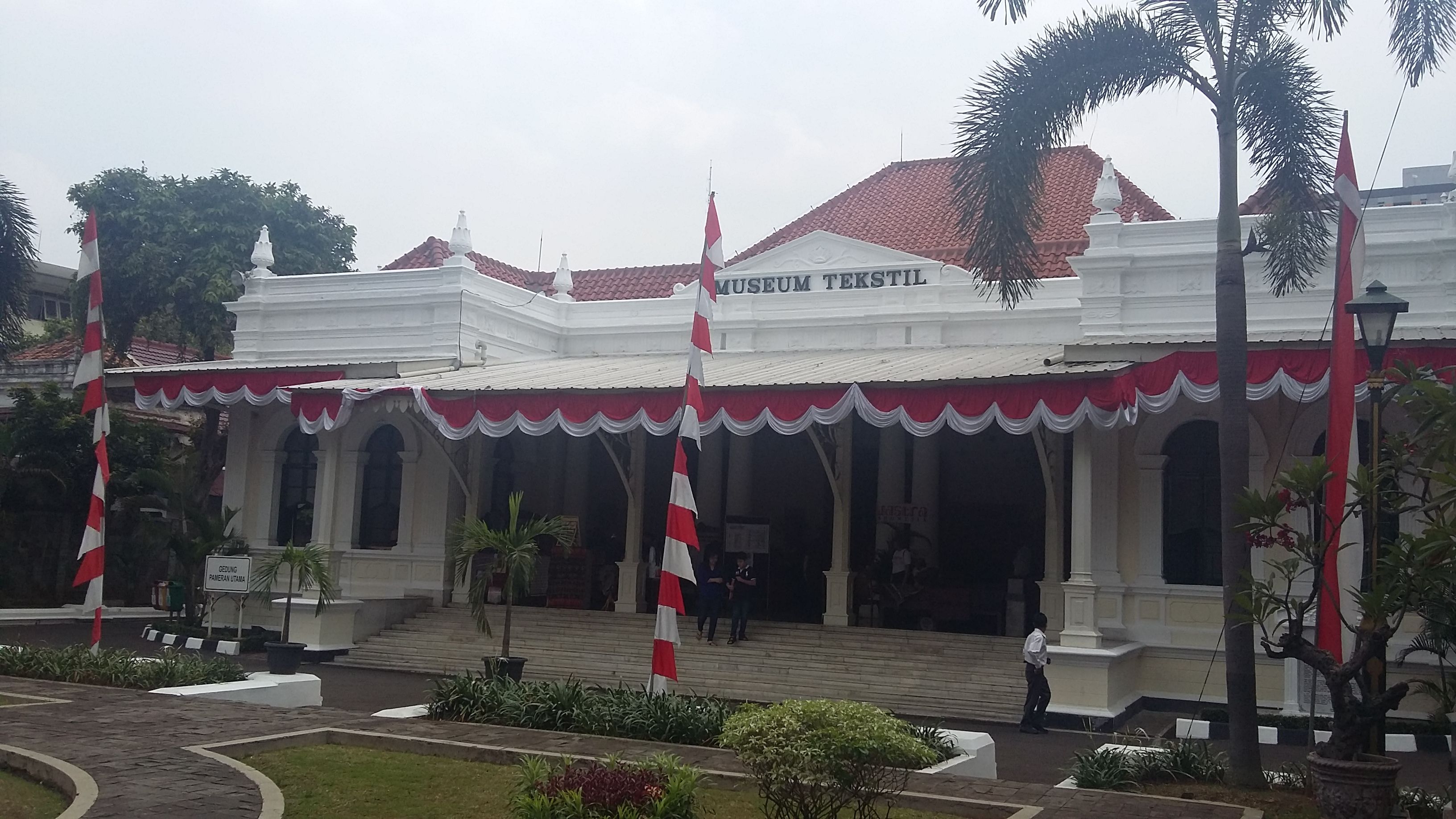
Jakarta Textile Museum serves as a cultural educational institution that conserves traditional textiles. Here you can learn the development of Indonesian textiles from an artistic and technological point of view throughout history. Textile plays an important role in Indonesia's culture as a component of ritual and ceremonial dress.
The Textile Museum houses 2350 pieces and includes 86 batiks, 819 weavings, 425 mixed collections, 70 tools, and 150 contemporary textiles. Here you can find various types of Batiks from all over Indonesia, along with an informative description of the origin and history behind each design. You can also learn how to make Batik by drawing the design using a pencil, outlining your design with wax using a canting, and soaking the cloth in dye as the end step. Really worth the visit! This museum opens from Tuesday to Sunday from 9 am to 3 pm and is closed on Monday and on public holidays. If you're planning on visiting this museum, note that you'll need to spend IDR 5,000 on the entrance ticket. Here is the direction.
That's the list of great museums in Jakarta. Visiting museums to learn about the culture and history of a country or a city can be so much fun. Which one is your favourite? Please share with us in the comment below!